
AI and Tech Revolutionizing Real Estate Marketing
Real Estate Marketing, AI Real Estate Marketing, Media Technology Realtors
From Photography to AI: How Technology Is Changing Real Estate Marketing
Real estate marketing has evolved dramatically in just a few years. What began with simple listing photos has expanded into video, drone footage, immersive virtual tours, and now AI-powered tools that help agents market smarter and faster. Understanding this evolution can help you decide which tools to adopt next—and how to stay competitive without feeling overwhelmed.
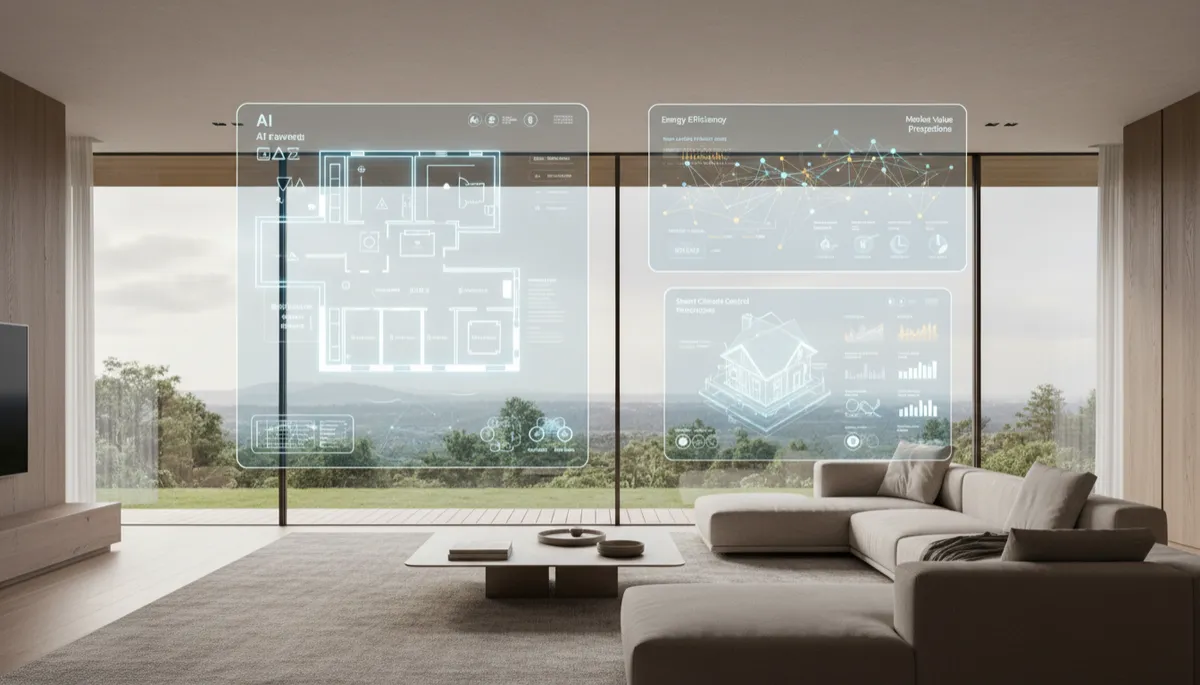
The Evolution of Property Marketing: More Than Just a Listing
For decades, property marketing was straightforward: a yard sign, a printed flyer, and a few photos in the MLS. As buyer expectations shifted and digital platforms grew, the standard for how a home should be presented changed as well. Today’s buyers scroll quickly, compare multiple properties at once, and expect rich, visual information before they ever schedule a showing. Real estate technology 2026 is about meeting those expectations with the right mix of media and automation, not about replacing the agent.
Traditional Photography: Still the Foundation of Every Listing
High-quality photography remains the foundation of effective property marketing. Clear, well-composed images help buyers understand the layout, light, and feel of a home. Even as new tools emerge, strong photography is often the first impression in online search results and social media feeds.
What has changed is how those photos are captured and processed. Professional cameras, careful staging, and thoughtful compositions are now expected. Increasingly, real estate photography AI tools also assist behind the scenes—helping correct lens distortion, balance exposure between bright windows and darker interiors, and maintain consistent color across an entire set of images. The end result is the same goal you have always had: present the property in its best, most accurate light.
Video and Drone: Bringing Neighborhoods and Lifestyles to Life
As online platforms became more visual, video stepped in to tell a fuller story. Listing videos allow you to guide buyers through a property, highlight key features, and communicate lifestyle—whether that is a quiet cul-de-sac, a walkable downtown, or a scenic rural view. Drone footage adds another dimension, capturing rooflines, lot size, and proximity to parks, schools, or commuter routes in a single sweeping shot.
For agents in regions like Northern Virginia and the Eastern Panhandle of West Virginia, drone visuals can be especially powerful for showcasing acreage, mountain views, and neighborhood context. These assets not only enhance individual listings; they also elevate your brand as a professional who invests in modern, media-rich marketing.
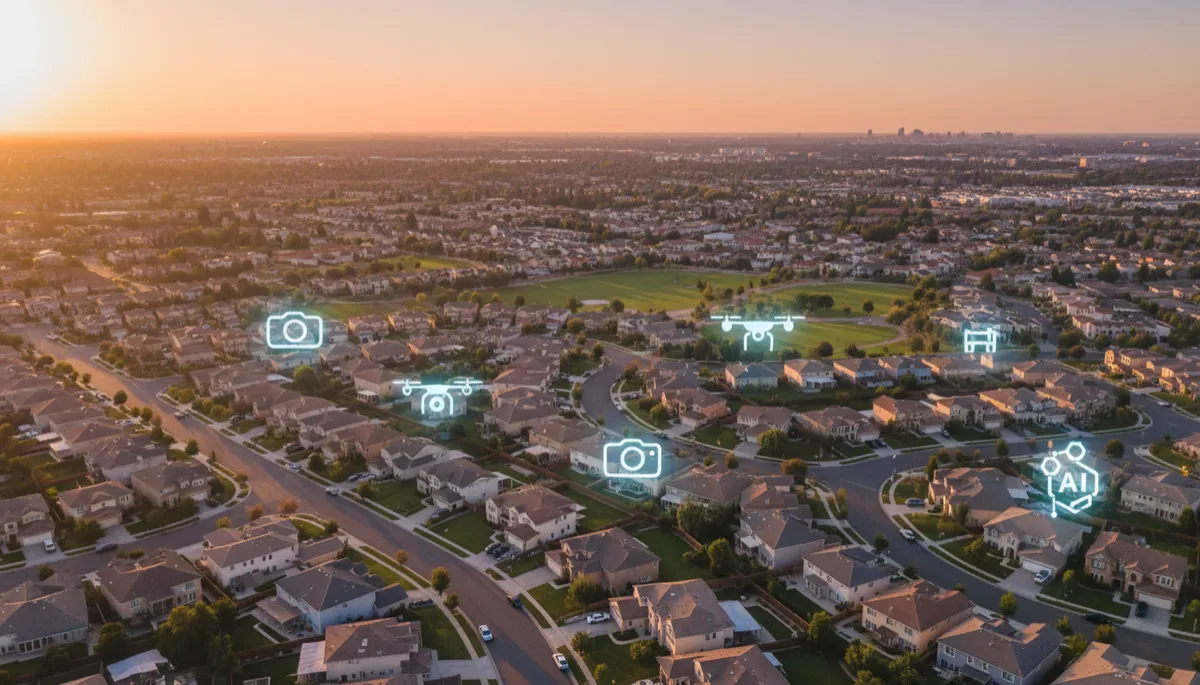
Combining aerial views, rich media, and AI insights helps listings stand out in crowded markets.
Virtual Tours and 3D Walkthroughs: Always-Open Houses
The next step in the evolution was interactivity. Virtual tours and 3D walkthroughs give buyers the feeling of moving through a property on their own schedule, from any device. They can explore room-to-room, get a sense of scale, and revisit specific spaces as many times as they like. This is especially valuable for out-of-town buyers or busy clients comparing several homes in a short timeframe.
For you as a real estate professional, these tools can pre-qualify interest. By the time someone requests a showing, they have already spent time in the virtual experience and are more likely to be serious. In this way, immersive media supports both better service and more efficient use of your time.
The Rise of AI-Powered Tools in Real Estate Marketing
The newest chapter is AI real estate marketing —not science fiction, but practical tools designed to save you time and sharpen your strategy. Rather than replacing professional media, AI works alongside it, helping you get more value from every photo, video, and tour you create.
Automated Listing Descriptions and Smarter Copy
One emerging trend is automated listing descriptions. These tools analyze property details—bed and bath counts, square footage, location, and notable features—and generate draft descriptions in seconds. You remain in control of the final wording, but the heavy lifting of starting from a blank page is reduced. This is a prime example of automated real estate marketing that supports your expertise instead of replacing it.
Intelligent Photo Enhancement and Consistent Branding
Intelligent photo enhancement uses AI to fine-tune images quickly and consistently. It can adjust brightness, correct color casts, enhance skies, and subtly improve clarity while keeping the property accurate and compliant with ethical standards. When paired with a professional media workflow, these tools help ensure that every listing, from condos to estates, reflects a cohesive visual brand across your marketing channels.
Predictive Marketing and AI-Driven Ad Targeting
Beyond content creation, AI is influencing where and how your listings are seen. Predictive marketing tools look at patterns in buyer behavior—such as which types of homes certain audiences engage with—and help you prioritize which properties to promote more heavily, or which selling points to emphasize. This is part of the broader shift in real estate technology 2026 toward data-informed decision-making.
AI-driven ad targeting works in a similar way. Instead of guessing which social or search audiences might respond to a particular property, AI helps platforms show your ads to people who are more likely to be interested, based on their online behavior and preferences. For you, this can mean more efficient ad spend and a better match between listings and potential buyers—another form of automated real estate marketing that supports your business goals.
Staying Current Without Getting Overwhelmed
You do not need to adopt every new tool at once. A practical approach is to think in layers: start with strong photography, then add video or drone where it makes sense, incorporate virtual tours for properties that benefit from deeper exploration, and gradually introduce AI tools that save you time or improve your targeting. The goal is to build a media strategy that fits your market, your price points, and your brand.
Partnering with a media company that understands both creative production and modern media technology realtors rely on can make this transition smoother. Instead of learning every platform yourself, you can lean on specialists who track trends, test new tools, and help you choose what truly supports your business.
Work with a Media Partner That Grows with You
Technology will continue to evolve, but your core value as a real estate professional remains the same: advising clients, negotiating deals, and understanding local markets. The right media partner simply amplifies that value. A creative media company that stays current on photography, video, drone, virtual tours, and AI-powered marketing tools can help your listings stand out today while positioning your brand for tomorrow.
If you are ready to elevate your marketing in Northern Virginia or the Eastern Panhandle of West Virginia, consider collaborating with a team that treats innovation as part of the service. Explore how a forward-thinking partner like Prime View Media can support your next listing and your long-term brand at primeview-media.com.