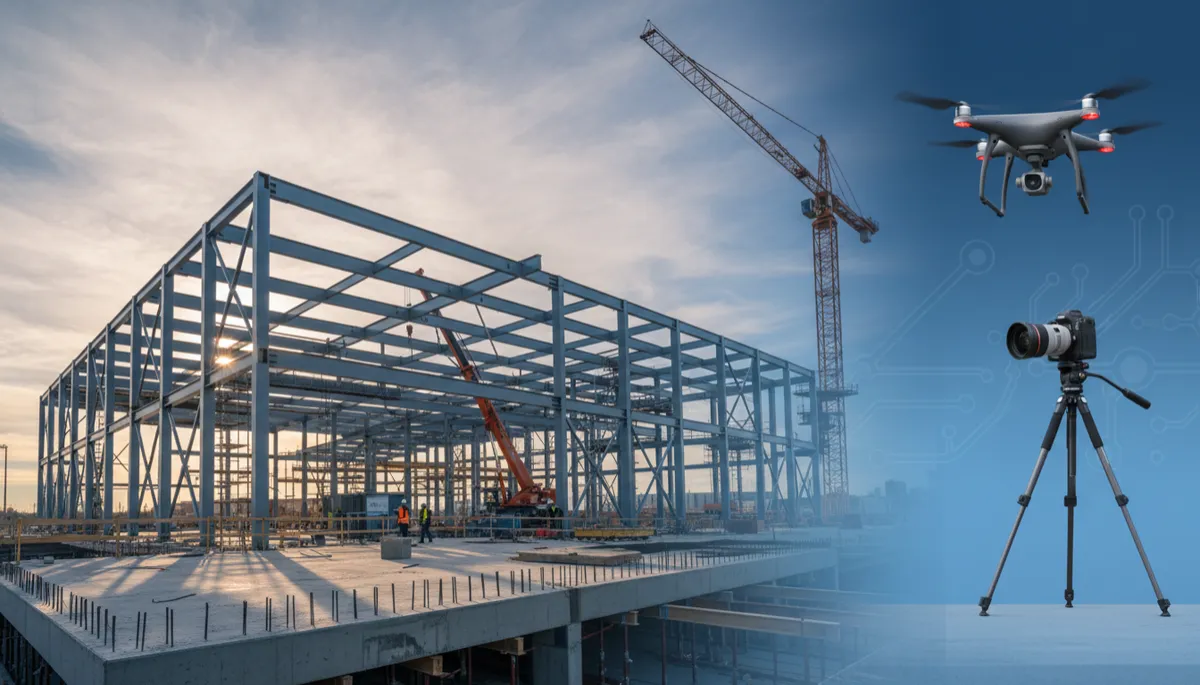
Documenting EPTA Transit Center: Behind the Build
Commercial Media Production, Documentary Media, Infrastructure
Behind the Build: Documenting the EPTA Multimodal Transit Center
I’m Juwan Davis, owner of Prime View Media, a photographer, videographer, and FAA Part 107 certified drone pilot based in Martinsburg, West Virginia. Since early in the construction of the EPTA Multimodal Transit Center, I’ve been on site regularly, documenting the project through photography, video, and narrated updates for the Eastern Panhandle Transit Authority and its partners across West Virginia, Virginia, Maryland, and Washington, DC.
This article walks through what construction documentation photography and video actually is, why it matters for public infrastructure projects, and how I approach ongoing work like the EPTA Multimodal Transit Center in a way that’s honest, practical, and useful to the people who depend on it.
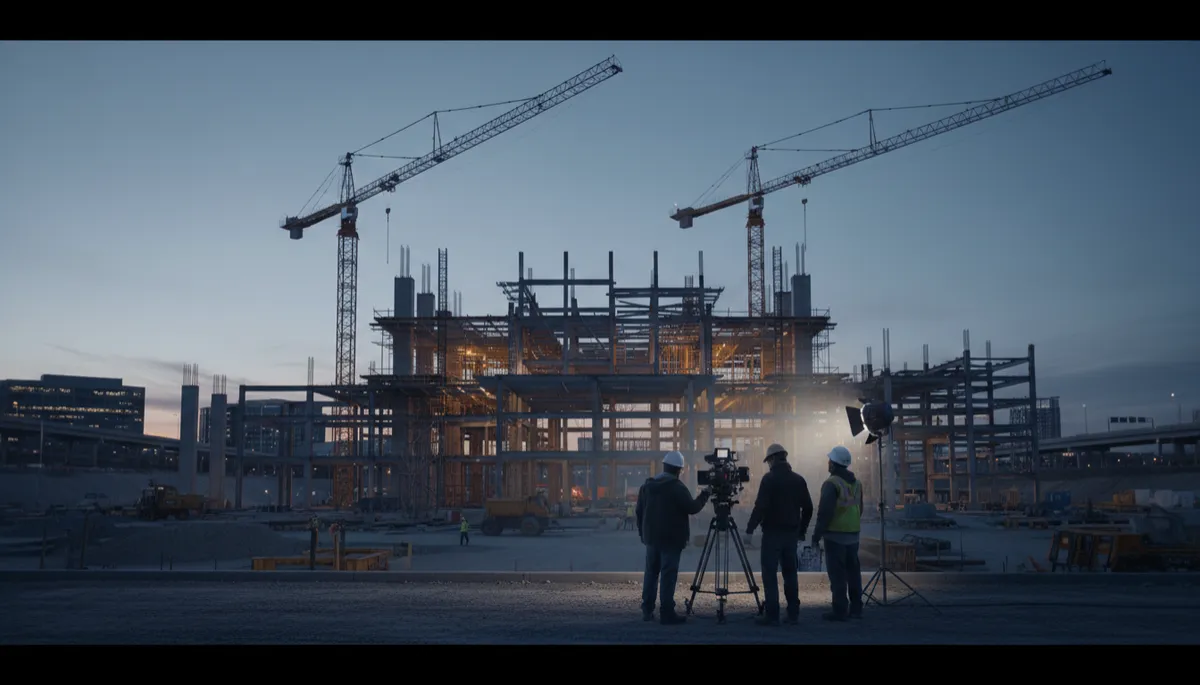
Setting the Scene: A Regional Transit Hub in the Making
Construction on the EPTA Multimodal Transit Center began in 2025 and has been steadily reshaping a piece of the Eastern Panhandle into a new regional hub for riders and routes. From my perspective behind the camera, it’s more than a job site. It’s a long, unfolding story about how a public project comes together—pour by pour, beam by beam, decision by decision.
My role is to create a clear visual record of that story for the people who need to see it: agency leadership, funding partners, local officials, and the community that will eventually use the center. That means showing real progress without glossing over the mess and the mud. Construction documentation is not a one-day shoot; it’s consistent, honest coverage over time.
What Construction Documentation Photography and Video Really Is
When I talk about construction documentation photography and video, I’m talking about systematic, repeatable coverage of a project as it evolves. It’s part visual archive, part communication tool. On the EPTA Multimodal Transit Center, that includes:
- Wide establishing shots that show how the site sits within the surrounding roads and neighborhoods
- Ground-level photos and video that track visible changes between visits—foundations, framing, site layout, paving, and more
- Drone footage that gives stakeholders a perspective they’ll never get from standing at the fence line
- Narrated updates that walk viewers through what has changed since the last visit and why it matters
The goal isn’t to make everything look perfect. It’s to make it clear. Clear for someone sitting in a board room, clear for a resident watching a short update online, and clear months or years from now when people look back and ask, “How did this come together?”
“Good construction documentation answers questions before they’re asked and keeps everyone looking at the same reality.”
Why Documentation Matters for Public and Infrastructure Projects
With a public project like the EPTA Multimodal Transit Center, there are a lot of eyes on the work—funders, local governments, riders, nearby businesses, and residents. Construction documentation serves several important purposes:
- Stakeholder communication: Regular photos, video, and narrated updates give leadership and partners a shared, visual understanding of progress without needing to be on site.
- Project record: A consistent visual record becomes part of the long-term documentation of the asset—useful for future planning, maintenance, and reference.
- Community transparency: For riders and neighbors, seeing the site evolve helps connect the inconvenience of construction to the benefit that’s coming.
- Accountability: Clear, time-stamped visuals help show that work is moving forward and that public investment is visible on the ground.
What the Work Looks Like on Site: Air, Ground, and Detail
On any given visit to the EPTA Multimodal Transit Center, my day starts the same way: check in, review where active work is happening, and confirm where it’s safe to fly and film. From there, I balance three main perspectives—air, ground, and detail.
As an FAA Part 107 certified drone pilot, I use aerial coverage to show how the site is taking shape in relation to surrounding roads and future bus movements. Those overhead passes make it easy to compare one month to the next and understand how everything fits together. On the ground, I move through the site with a camera, capturing repeat angles over time so stakeholders can line up “before” and “during” frames without guessing.
Then there are the details: the way a bus bay is formed, the pattern of concrete joints, the placement of signage, the layout of sidewalks and crossings. These are the things riders will interact with every day, so I make sure they’re documented as they come together.
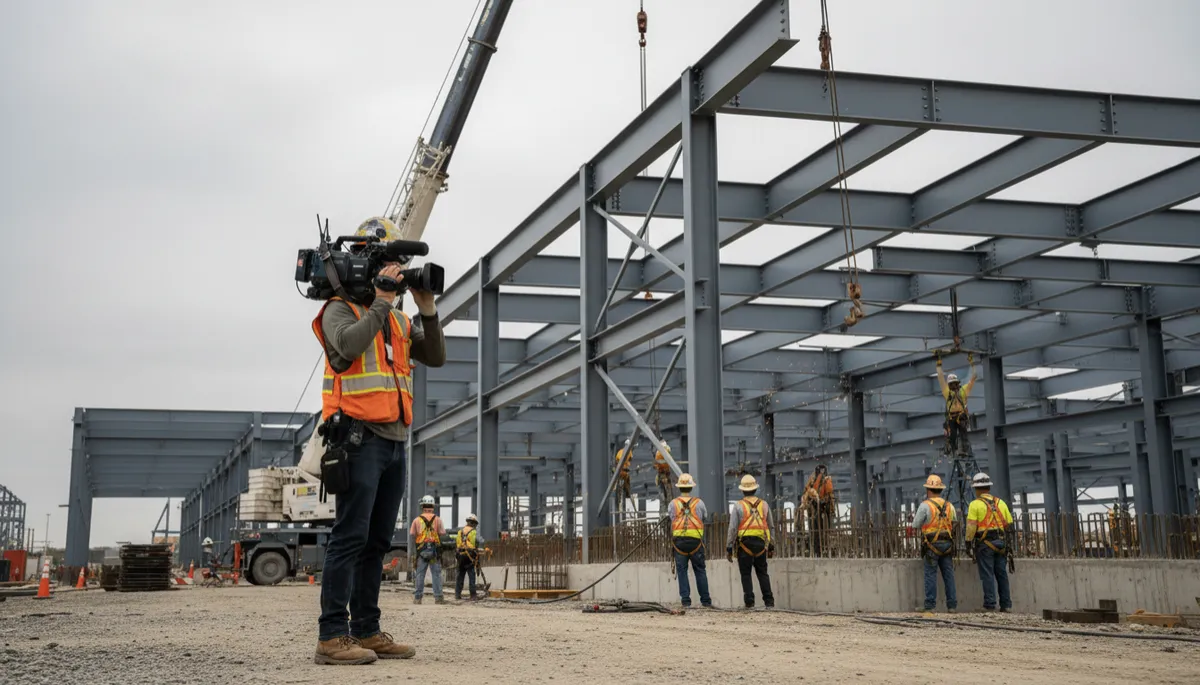
Layered ground and aerial coverage help commercial audiences grasp both scale and detail.
Narrated Updates and the Story Behind the Visuals
Photos and video clips are one part of the story. The other part is helping people understand what they’re looking at. For the EPTA Multimodal Transit Center, I’ve been creating narrated updates that walk viewers through what has changed since the last visit and what that means for the project as a whole.
That might mean pointing out how circulation for buses is taking shape, how rider areas are being defined, or how site work is progressing in relation to nearby streets. I try to keep the language straightforward and grounded—no unnecessary jargon, just clear explanations supported by visuals from both the ground and the air.
Over time, these updates become a kind of visual journal. They show not just that work happened, but how it unfolded and what decisions looked like in the field. For a public transit project, that kind of record has value long after the last piece of equipment leaves the site.
How Prime View Media Approaches Ongoing Commercial Documentation
My approach to projects like the EPTA Multimodal Transit Center is simple: be consistent, be safe, and be honest. I plan regular visits, keep angles and flight paths repeatable where possible, and stay flexible enough to respond when something notable is happening on site.
Because Prime View Media serves clients across West Virginia, Virginia, Maryland, and Washington, DC, I’m used to working with different agencies and teams. For each project, I focus on building a library of usable assets—stills, video, and narrated pieces—that can support:
- Internal progress updates and presentations
- Public-facing updates for websites and social media
- Long-term project archives and reference material
Partner with Prime View Media on Your Next Commercial Build
If you’re planning a transit facility, infrastructure upgrade, or other commercial build in West Virginia, Virginia, Maryland, or the Washington, DC region, I’d be glad to talk about how construction documentation can support your work. From FAA Part 107 drone coverage to ground photography, video, and narrated progress updates, Prime View Media focuses on giving you a clear, reliable visual record of what you’re building and why it matters.
To learn more about commercial documentation services or to start a conversation about your next project, visit primeview-media.com/contact.